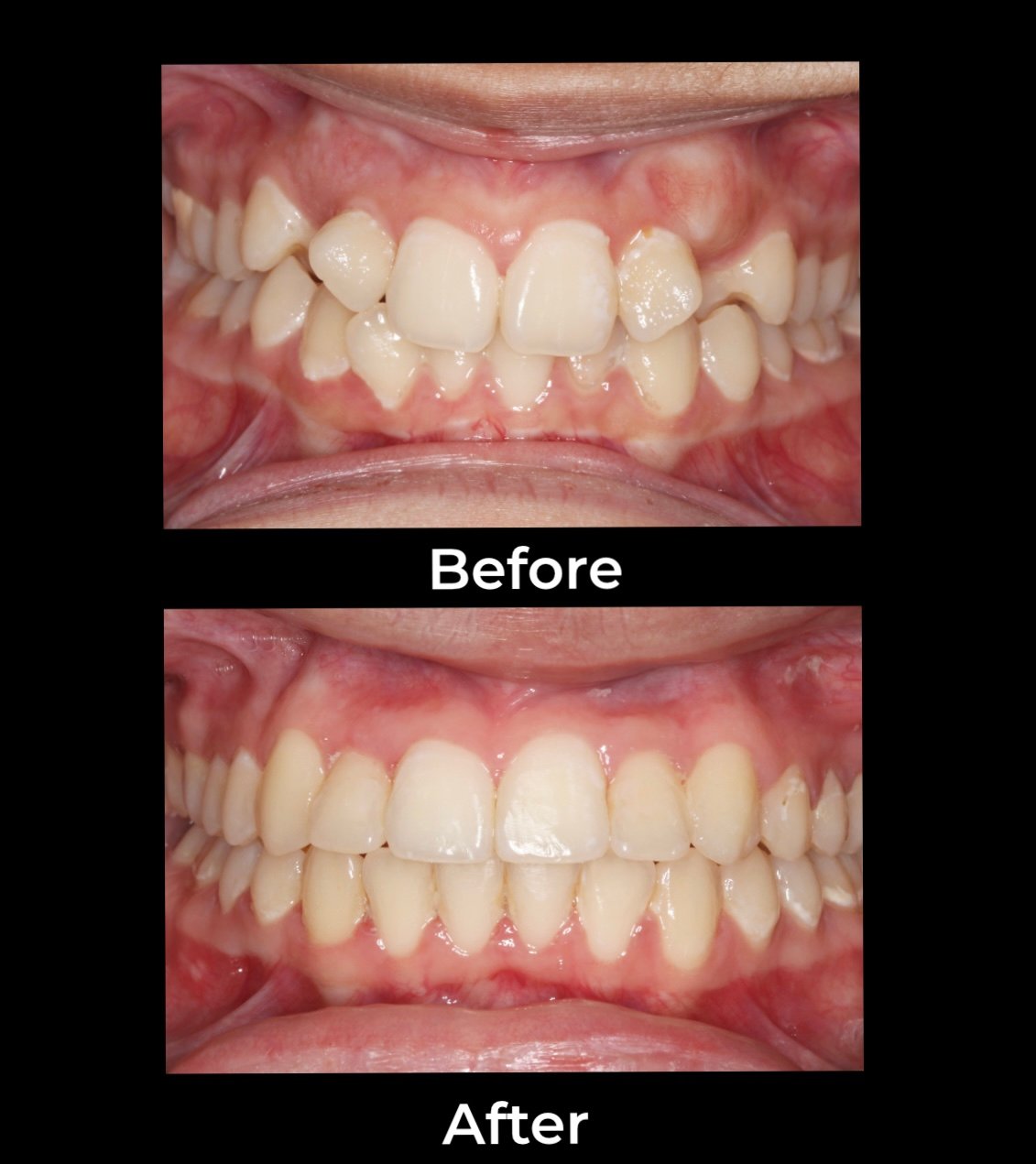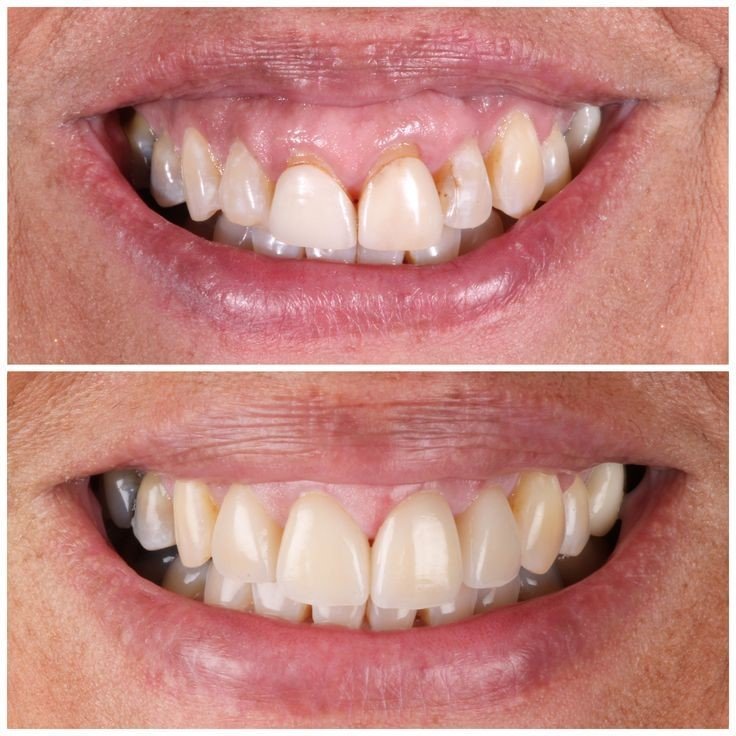
Full Mouth Rehabilitation in Tirupati
Complete smile reconstruction for patients with multiple damaged, decayed, or missing teeth. Our multi-specialist team in Tirupati restores your oral health, function, and confidence — all under one roof.
Complete smile reconstruction for patients with multiple damaged, decayed, or missing teeth. Our multi-specialist team in Tirupati restores your oral health, function, and confidence — all under one roof.
Full mouth rehabilitation — also called full mouth reconstruction — is one of the most comprehensive and life-changing treatments in modern dentistry. It is not a single procedure; it is a carefully designed, multi-phase programme that restores every tooth in both jaws using the combined expertise of multiple dental specialists. At Meghana Multi Speciality Dental Hospital, Tirupati, our in-house team of prosthodontists, endodontists, periodontists, oral surgeons, and orthodontists work together under one roof, coordinated through digital treatment planning and guided by a primary specialist who oversees your entire journey. Whether your mouth has been damaged by years of grinding, acid erosion, multiple failed restorations, extensive decay, or tooth loss — full mouth rehabilitation can rebuild your oral health, restore your chewing function, and give you back the confidence of a complete, healthy smile.
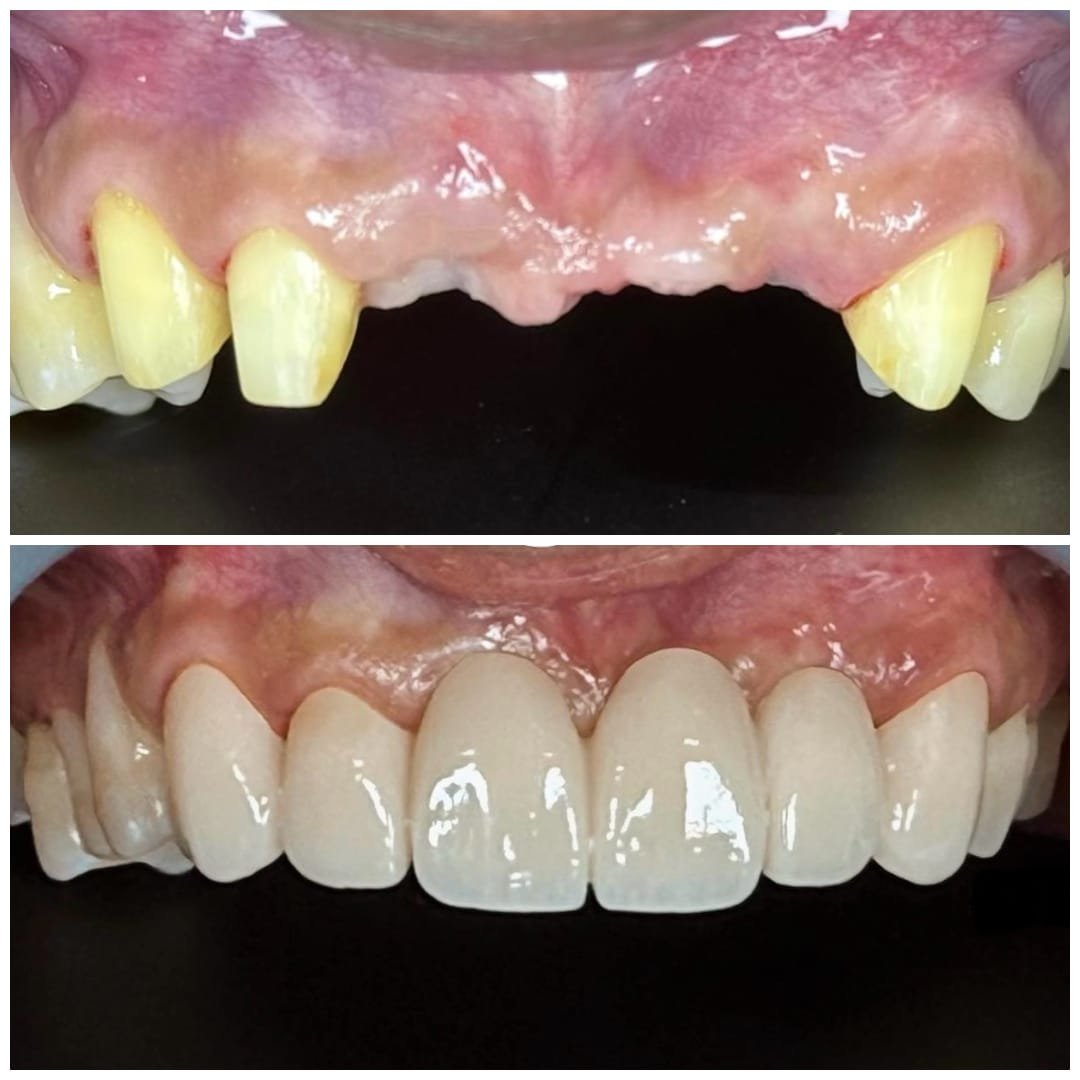
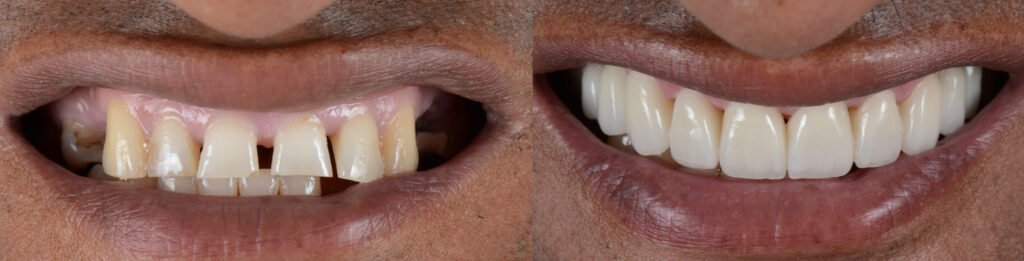

We use OPG X-ray, CBCT where needed, bite analysis, joint assessment, and digital photography. Treatment plans are built on evidence, not guesswork.
You do not travel between multiple clinics. Prosthodontist, endodontist, periodontist, and oral surgeon all operate at Meghana Multi Speciality Dental Hospital, Tirupati.
Treatment is divided into logical phases. You can spread the work and cost over time without compromising the overall clinical outcome.
Before treatment begins, you see a digital visualisation of your expected final result. Full transparency — approved by you before any preparation.
Temporary restorations are always provided at every phase. You will look and function normally throughout treatment — no gaps, ever.
We design for 15–20 year outcomes, not quick fixes. Every material, technique, and decision is made with your long-term health in mind.
A thorough assessment including full-mouth X-rays (OPG), CBCT imaging where indicated, periodontal charting, bite analysis, TMJ assessment, and digital facial and dental photography. All findings are compiled into a master treatment plan that maps every procedure needed, in the correct sequence, with clear timelines and costs.
Active disease is eliminated first. This means completing gum treatment (scaling, root planing, laser therapy), extracting unsalvageable teeth, and treating any urgent infections. No restorations are placed until the oral environment is stable and healthy.
Teeth with nerve involvement receive microscope-guided root canal treatment. Missing teeth are replaced with dental implants — allowing adequate healing time for osseointegration. Bone grafting is performed where there is insufficient bone for implants.
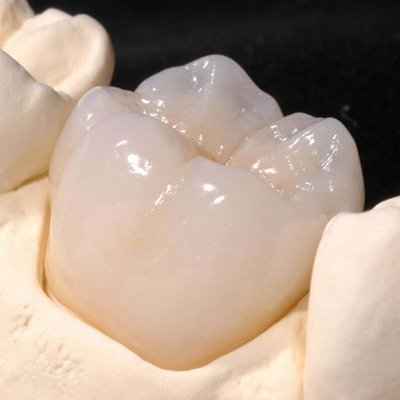
All prepared teeth receive their final restorations: zirconia or e.max crowns, fixed bridges, or implant crowns. Bite (occlusion) is carefully balanced across all teeth simultaneously — the most technically demanding phase.
After rehabilitation is complete, you enter a structured maintenance programme. Regular check-ups every 3–6 months monitor gum health, restoration integrity, and bite stability. Night guards are prescribed for patients with bruxism.
Book a comprehensive consultation at Meghana Multi Speciality Dental Hospital, Tirupati. Our multi-specialist team will assess your case and create a personalised, phased treatment plan.